Why Texture and Portion Size Matter for Satisfying Snack Cravings
When you reach for a snack, what makes it feel satisfying? For many, the answer goes beyond flavor. Two often overlooked factors are texture and portion size. Getting these right can make a lower sugar choice feel just as rewarding as a traditional treat. This is especially relevant for anyone exploring lower sugar cookie snacks, where the goal is to enjoy a sweet bite without the sugar crash.
Texture influences how your brain registers a snack. Crunchy, chewy, or creamy textures each send different signals about fullness and pleasure. Portion size, meanwhile, sets expectations. A small but dense snack can feel more satisfying than a larger, airy one. Together, these elements shape whether a snack leaves you content or still searching for something more.
How Texture Affects Satisfaction
Your mouth and brain work together to judge food. The feel of a snack as you bite, chew, and swallow sends signals that affect how satisfied you feel. This is why a soft, crumbly cookie can feel different from a chewy, dense one. The texture of a snack can influence how long you take to eat it and how much you enjoy each bite.
Chewy textures often encourage slower eating. When you have to work a little to break down a bite, you spend more time with the food. This gives your body a chance to register fullness before you finish. Crunchy snacks, on the other hand, can feel light and airy. You might eat them quickly without realizing how much you have had. For lower sugar cookie snacks, a chewy center can mimic the mouthfeel of a traditional cookie, helping you feel like you have had a treat without needing a large portion.
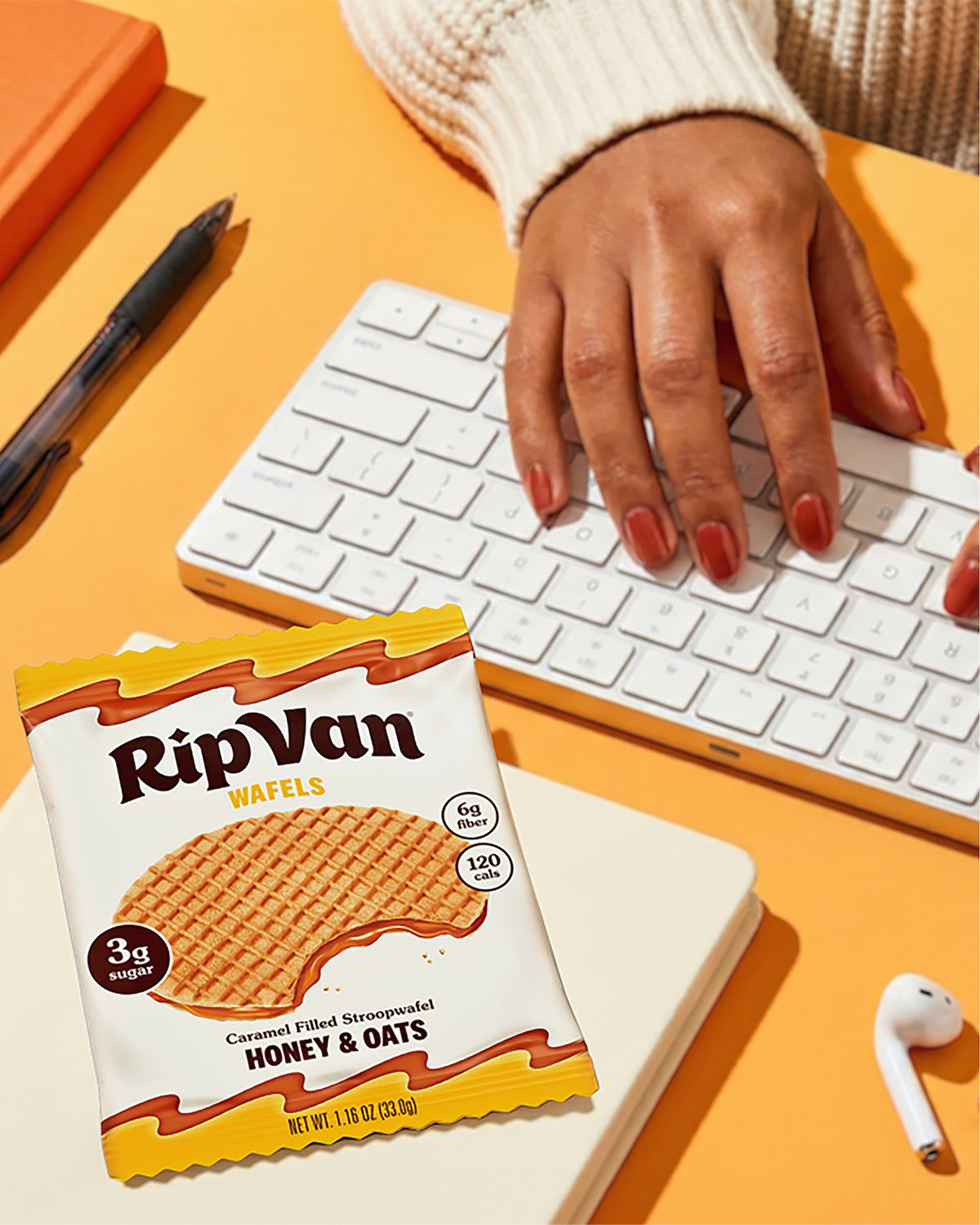
Fiber content plays a role here too. Fiber adds bulk and chewiness, which can slow down eating and increase the sense of fullness. Many lower sugar snacks incorporate added fiber to improve texture and nutritional value. This is a practical way to make a smaller serving feel more substantial. When you bite into a snack with a satisfying chew, your brain gets a stronger signal that you have eaten something real.
Portion Size and Perceived Fullness
Portion size is not just about calories. It is about what you expect from a serving. Research in eating behavior shows that people often eat what is in front of them, regardless of hunger. A larger portion can lead to eating more, but a smaller portion can still satisfy if it feels complete. The key is design: a snack that looks and feels like a proper serving can trick your brain into feeling full.
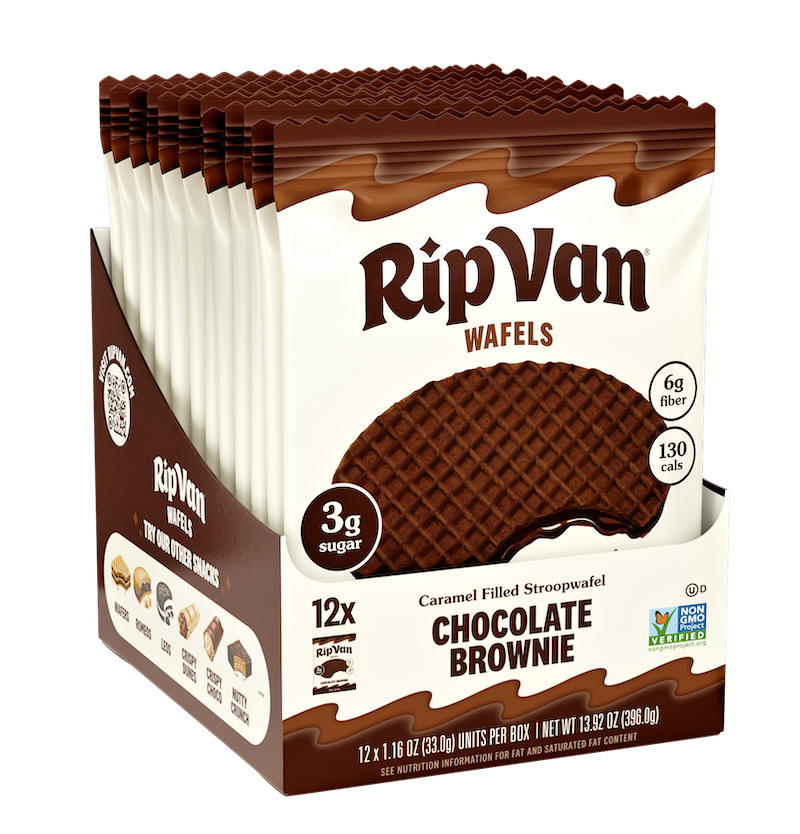
For lower sugar cookie snacks, portion size often comes in individually wrapped pieces. This helps with portion control, but it also sets a clear boundary. When you open one package, you know exactly how much you are getting. That clarity can prevent mindless eating. The challenge is making that single serving feel like enough. Texture helps here. A dense, chewy snack takes longer to eat and gives your mouth more to do, stretching the experience without adding volume.
Calorie density matters too. A snack with higher calorie density (more calories per gram) can feel more satisfying in a small package. But for lower sugar options, the goal is to reduce sugar without sacrificing satisfaction. This is where ingredients like fiber and protein come in. They add bulk and richness, making a small portion feel like a real treat. ripvan.com offers an example of this approach with its low-sugar Dutch stroopwafels, which combine a chewy wafer texture with a caramel-like filling. The result is a snack that feels indulgent in a modest portion.
Habit Formation and Snack Choices
Your snacking habits are shaped by what you eat regularly. If you always reach for a sugary, crunchy snack, your brain learns to expect that combination. Switching to a lower sugar option can feel unsatisfied at first, especially if the texture is different. But over time, your preferences can adjust. The key is finding a lower sugar cookie snack that offers a similar mouthfeel to what you are used to.
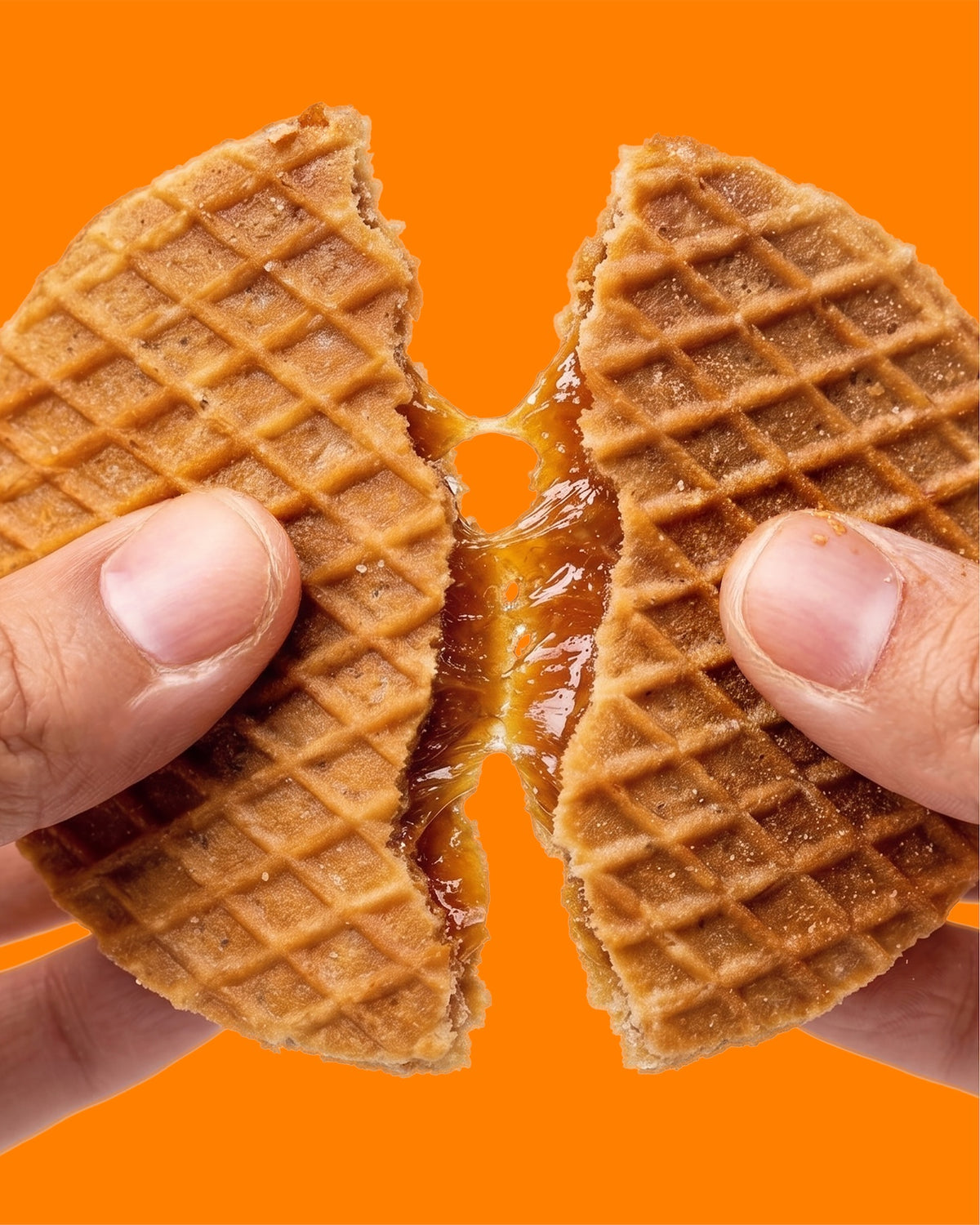
Texture can help bridge the gap. If you are used to a soft, chewy cookie, a dry or brittle lower sugar version might not cut it. But a snack with a chewy center and a firm wafer shell can provide a familiar bite. This makes the switch easier and more sustainable. Portion size also plays a role in habit formation. When a snack comes in a consistent, single-serving package, you learn to stop after one piece. That routine can become automatic, helping you maintain balanced eating without constant willpower.
Dessert cravings often strike at specific times, like after dinner or in the afternoon. Having a go-to lower sugar snack that hits the right texture and portion note can prevent you from reaching for a larger, higher-sugar alternative. Over time, that substitution becomes a habit, and the craving for the old snack fades.
Practical Tips for Choosing Satisfying Lower Sugar Snacks
When you are shopping for lower sugar cookie snacks, think about what will make you feel satisfied. Here are a few things to consider:
- Look for chewy or dense textures that take time to eat. A snack that dissolves quickly might leave you wanting more.
- Check the fiber content. A few grams of fiber can add bulk and help with fullness.
- Pay attention to portion size. Single-serving packages help you stop at one, but the snack should feel like a complete treat, not a tease.
- Consider the overall eating experience. A snack that combines textures, like a crisp wafer with a soft filling, can be more satisfying than a uniform one.
These factors matter because satisfaction is not just about what is in the snack. It is about how you experience it. A lower sugar cookie snack that feels good in your mouth and comes in the right portion can help you enjoy a sweet moment without overdoing it.
Why This Matters for Balanced Eating
Balanced eating is not about cutting out all treats. It is about making choices that fit your goals and still feel enjoyable. Texture and portion size are tools you can use to make lower sugar snacks work for you. When a snack satisfies both your taste buds and your sense of fullness, you are less likely to feel deprived. That makes it easier to stick with healthier habits over the long term.
For anyone exploring lower sugar cookie snacks, the advice is simple: pay attention to how a snack feels, not just how it tastes. A snack that checks both boxes can be a real win for your daily routine. And with brands like ripvan.com focusing on texture and portion control, there are more options than ever to find a treat that fits your needs.